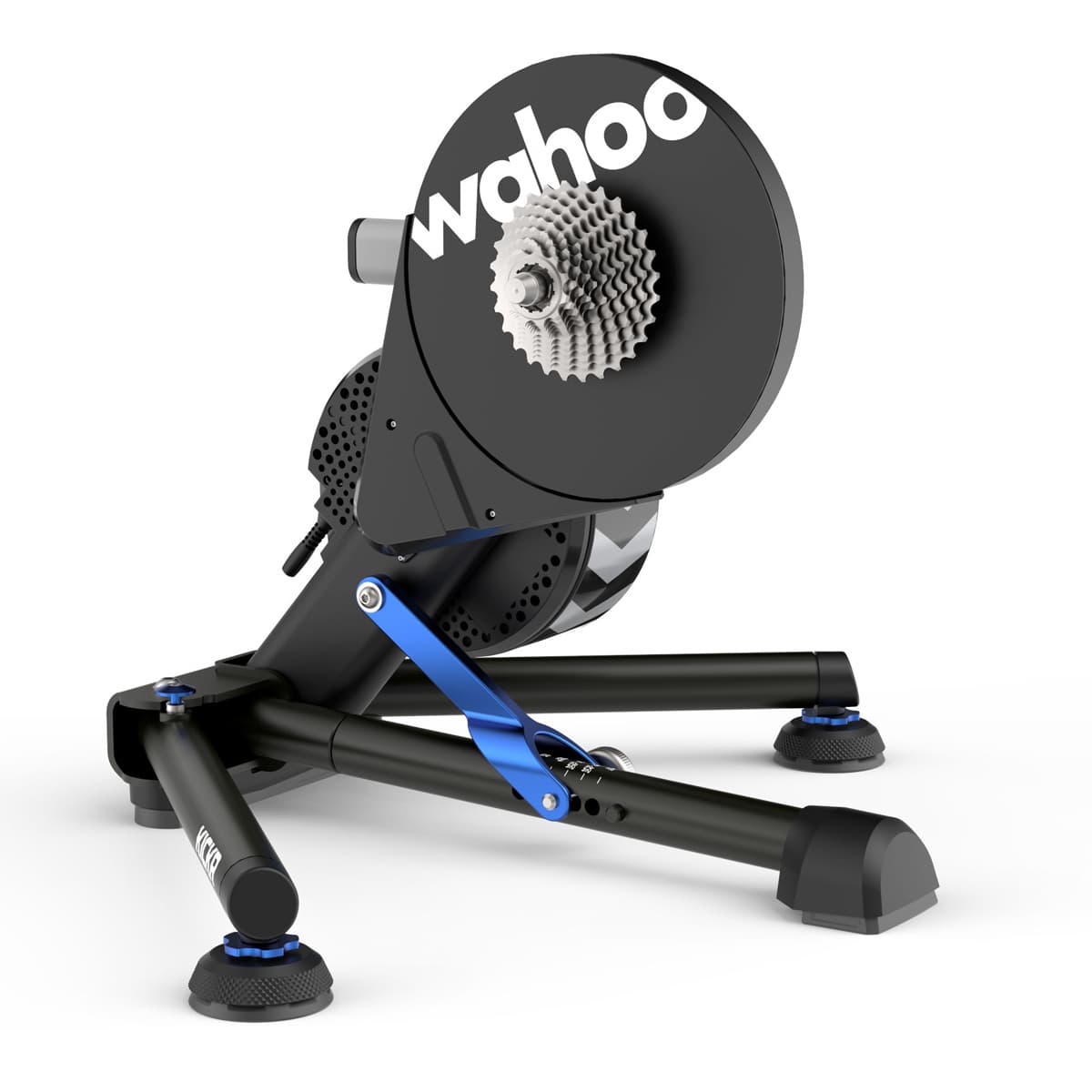
Roughly €75 apart, both direct-drive, both aimed at the same "serious but not flagship-money" rider. The difference comes down to what each one prioritized.
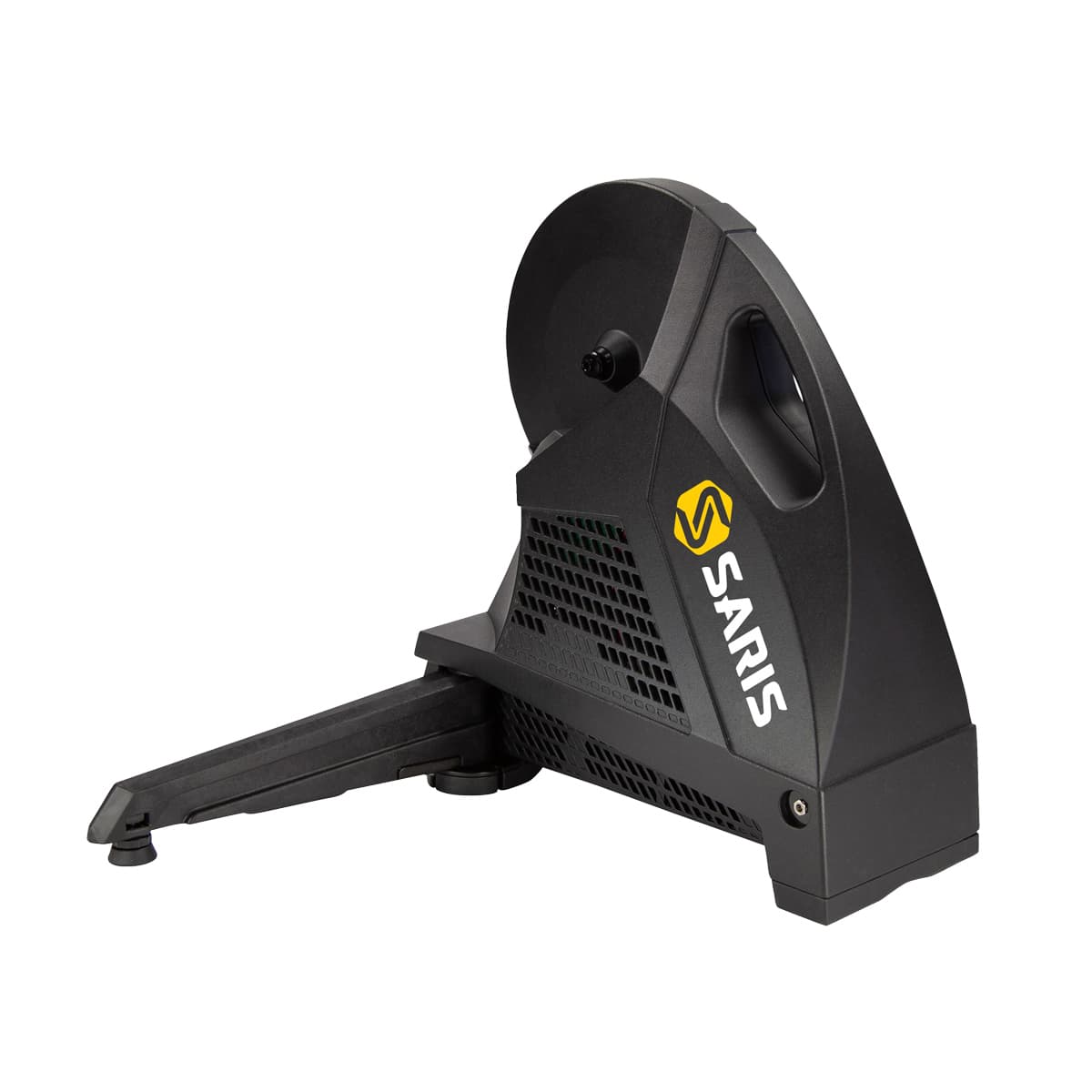
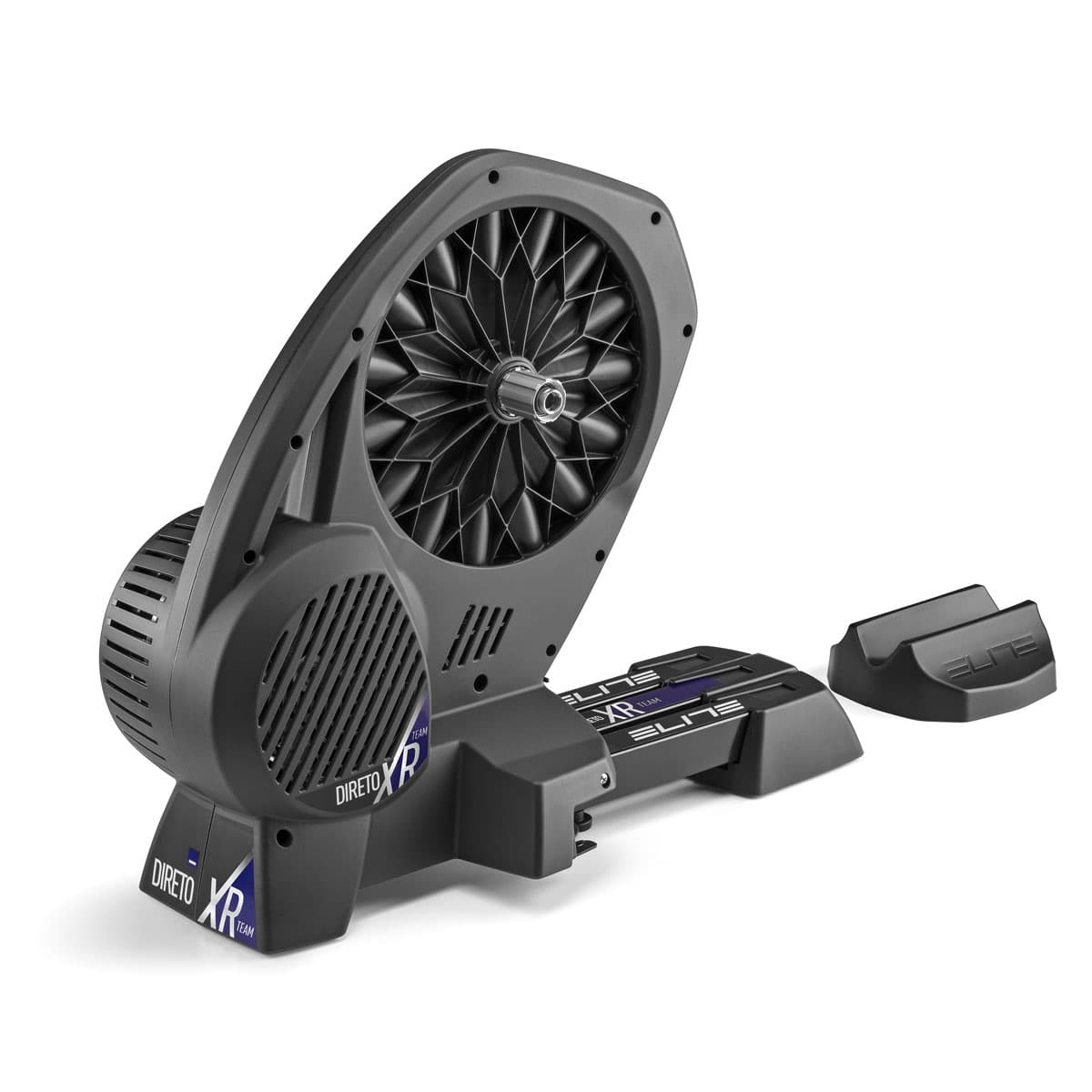
Spec-by-Spec
| Saris H3 | Elite Direto XR | |
|---|---|---|
| Price | ~€750 | ~€825 |
| Max power | 2,000W | 2,300W |
| Max gradient | 20% | 24% |
| Weight | 21.3kg | 15.8kg |
| Flywheel | 9kg (heaviest in this comparison) | 5.1kg |
| Noise | 61dB | Not specified, generally quiet |
| Cassette included | No | Yes (11-speed) |
| Accuracy | ±2% | ±1.5-2.5% depending on source, verify before relying on it |
The H3's Case: Ride Feel
A 9kg flywheel is genuinely heavy for this price bracket, and it shows up in how the trainer feels underneath you — more momentum, less of that "spinning against nothing" sensation on rolling terrain. If smoothness matters more to you than headroom, this is the H3's whole pitch.
The Direto XR's Case: Headroom and Convenience
Higher power ceiling, higher gradient simulation, and — importantly — it ships with an 11-speed cassette, so there's no separate purchase before you can ride. The H3 requires buying a cassette separately, which narrows the price gap once you factor that in.
Which Matters More: Flywheel Weight or Included Cassette?
If you're already sitting on a spare cassette from an old bike, the H3's smoother ride feel becomes the more relevant differentiator. If you're starting from scratch, the Direto XR's included cassette effectively closes most of the price gap while also giving you more headroom.
The Verdict
For most riders buying their first mid-range trainer, the Direto XR's included cassette and higher ceiling make it the more complete package for the money. The H3 is worth the extra hassle specifically if ride-feel smoothness is your priority and you don't mind a heavier, separate-cassette setup.
Curious how the Direto XR compares to its more premium Elite sibling? [Elite Justo 2 vs Elite Direto XR →]